
What Are the Core Components of Elite Security Training Programs?
Elite security training programs are meticulously designed to equip security professionals with the skills and knowledge required to navigate and respond to the evolving landscape of threats effectively. Central to these programs are several key components that ensure a comprehensive and well-rounded training experience.
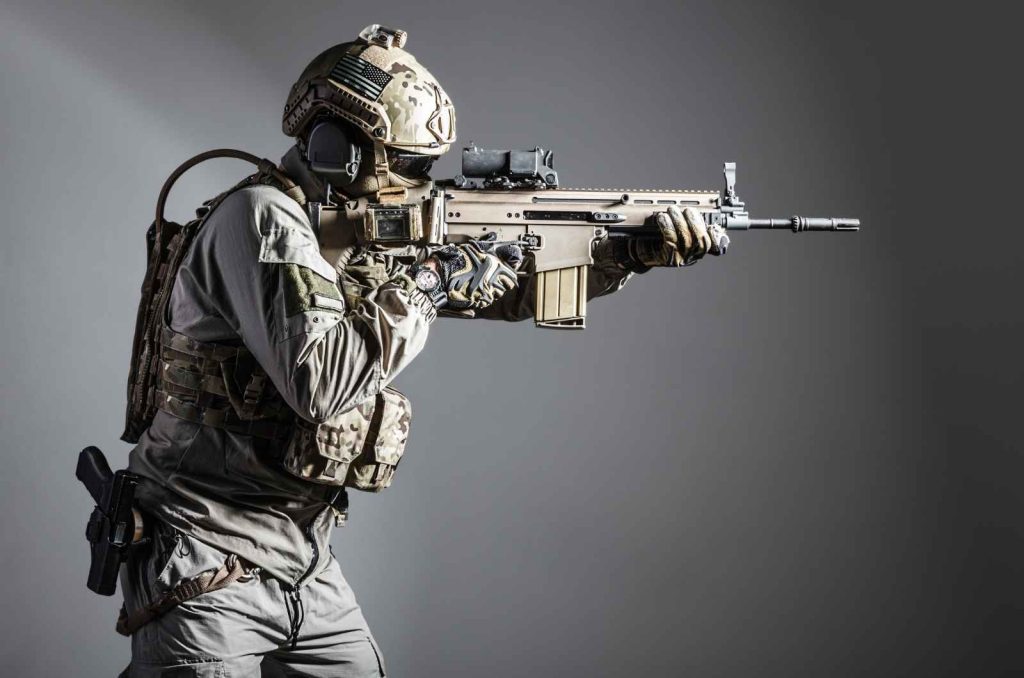
Firstly, Combat and Elite Shooting Training stands out as a fundamental module. This component focuses on precision, quick decision-making, and handling high-pressure situations, ensuring participants are well-prepared for real-world combat scenarios.
Anomaly Recognition teaches participants to detect deviations from the norm, a crucial skill in preempting potential threats and responding proactively rather than reactively.
Undercover Security training delves into the art of blending in. It's about learning the strategies for gathering intelligence and providing protection without drawing attention, a critical skill in certain security operations.
Investigation and Intelligence is another core component, aimed at developing the skills necessary for thorough investigation and analysis, enabling security professionals to gather, interpret, and utilize intelligence effectively.
Lastly, Intervention and Response Teams training is designed to prepare individuals and groups for a coordinated and efficient response to crises, emphasizing teamwork, communication, and strategic planning.
Together, these components form the backbone of elite security training programs, ensuring participants are well-equipped to meet and overcome security challenges.
Why Is Elite Battle and Shooting Training Essential?
In the realm of security, the ability to handle and operate firearms under extreme pressure is not just a skill but a necessity. Elite Battle and Shooting Training is paramount for several reasons, and its importance cannot be overstated in preparing security professionals for real-world challenges.
Firstly, this training instills a level of precision and discipline that is crucial in high-stakes situations. Security personnel often find themselves in scenarios where a split-second decision can mean the difference between life and death. Here, the accuracy and speed honed through rigorous shooting training become invaluable.
Moreover, beyond the physical ability to shoot accurately, this training encompasses tactical elements such as situational awareness, threat assessment, and decision-making under pressure. These skills are essential for effectively navigating and neutralizing potential threats in a myriad of environments, from close-quarters engagements to more complex, variable scenarios.
Additionally, Elite Battle and Shooting Training fosters a mindset of calmness and resilience. Being mentally prepared to face and withstand adversities is equally important as physical preparedness. This holistic approach ensures that security professionals are not just proficient marksmen but also strategic thinkers capable of maintaining their composure and making judicious decisions in the heat of battle.
In essence, Elite Battle and Shooting Training is the cornerstone of security training, equipping individuals with the skills, mindset, and confidence to protect and serve effectively.
How Does Anomaly Detection Training Enhance Security Measures?
Anomaly Detection Training is a critical component of elite security training programs, designed to sharpen the observational skills of security personnel, enabling them to identify threats before they escalate. This training enhances security measures by focusing on the subtleties that often precede security breaches or attacks.
First and foremost, Anomaly Detection Training equips security professionals with the ability to recognize patterns and behaviors that deviate from the norm. In crowded or complex environments, potential threats can easily blend into the background noise of daily activities. Training in anomaly detection teaches individuals to filter out this noise, allowing them to spot suspicious behaviors or irregularities that others might overlook.
Moreover, this training emphasizes the importance of intuition and instinct in security operations. By developing a keen sense of awareness, security personnel can anticipate potential threats based on subtle cues, such as unusual body language or items that seem out of place. This proactive approach to security enables quicker responses, potentially neutralizing threats before they manifest into actual harm.
Additionally, Anomaly Detection Training promotes a culture of continuous vigilance and critical thinking among security teams. It encourages professionals to always be on the lookout for anything amiss, fostering an environment where security is everyone's responsibility.
In summary, Anomaly Detection Training significantly enhances security measures by empowering security professionals with the skills to identify and respond to potential threats swiftly and effectively, ensuring a safer environment for all.
What Role Does Covert Security Play in Modern Protection Strategies
Covert security, often termed as undercover security, plays an indispensable role in modern protection strategies, offering a layer of defense that is both subtle and highly effective. This form of security is essential in environments where overt security measures may be deemed intrusive or may potentially escalate situations rather than defuse them.
One of the primary roles of covert security is in intelligence gathering. Undercover security professionals can blend into the environment, observing and collecting crucial information without drawing attention. This information can be pivotal in preventing security incidents before they occur, as it allows for a proactive rather than reactive approach to security.
Moreover, covert security acts as a deterrent in a unique way. While the presence of visible security measures can deter potential threats, the knowledge that there may be undercover security personnel in any given environment adds an unpredictable element that can dissuade malicious actions. Potential perpetrators are aware that their actions could be monitored at any time, by anyone, making covert security an effective psychological deterrent.
Furthermore, covert security is invaluable in situations requiring a nuanced approach. In scenarios where overt security measures might provoke anxiety or affect the normal conduct of business, undercover security ensures safety and protection discreetly, maintaining a sense of normalcy while vigilantly guarding against threats.
In essence, covert security is a critical component of contemporary protection strategies, offering a sophisticated, discreet, and highly effective means of ensuring safety and security in a variety of settings.
Why Are Investigation and Intelligence Critical in Security Training?
Investigation and intelligence form the backbone of any effective security strategy, serving as the eyes and ears that guide the hands and feet of security operations. In elite security training programs, a significant emphasis is placed on these aspects, underlining their critical role in preemptive threat identification, informed decision-making, and strategic planning.
Investigation skills enable security professionals to thoroughly examine and understand incidents, breaches, or any irregularities. This meticulous approach not only aids in resolving current issues but also in gathering insights to prevent future occurrences. Training in investigation techniques equips personnel with the ability to uncover the root causes behind security challenges, making it possible to implement more robust defense mechanisms.
On the other hand, intelligence gathering is about staying one step ahead. It involves collecting, analyzing, and leveraging information that can inform security protocols, threat assessments, and response strategies. By understanding the landscape of potential threats, security teams can prepare and respond more effectively to any situation that arises.
Moreover, in an era where security threats are increasingly sophisticated and information-driven, the role of investigation and intelligence cannot be overstated. They provide the strategic foundation for dynamic and adaptive security measures, ensuring organizations can navigate the complexities of the modern threat environment with confidence.
In essence, investigation and intelligence are indispensable in security training, arming professionals with the knowledge and skills needed to protect and serve in an ever-evolving world.
How Do Intervention and Response Teams Prepare for Crisis Situations?
In the landscape of security, the ability to respond swiftly and effectively to crises is paramount. Intervention and Response Teams are specialized units trained specifically for such high-pressure situations, embodying the pinnacle of preparedness and tactical proficiency.
Preparation for these teams involves extensive, scenario-based training that simulates a wide range of crisis situations. From potential terrorist attacks to hostage scenarios, these simulations are designed to be as realistic as possible, ensuring that team members can experience the stress and unpredictability of real-world events in a controlled environment. This type of training hones their decision-making skills, allowing them to make critical choices quickly and confidently under pressure.
Furthermore, these teams are trained in advanced communication and coordination techniques. In a crisis, effective communication can be just as crucial as tactical skills. Team members learn to operate as a cohesive unit, ensuring that every action is synchronized and that information flows seamlessly among them.
Additionally, Intervention and Response Teams are equipped with state-of-the-art technology and weaponry. Their training includes mastering these tools, ensuring that they can leverage every available advantage in a crisis situation.
In essence, through rigorous training, constant readiness exercises, and a deep commitment to teamwork and excellence, Intervention and Response Teams prepare to face and overcome crisis situations, ensuring the safety and security of those they are sworn to protect.
Why Is Comprehensive Security Training Crucial in Today's World?
In today's global landscape, marked by evolving threats and complex security challenges, comprehensive security training has never been more critical. The multifaceted nature of modern threats, ranging from cyber-attacks to terrorism and everything in between, demands a security force that is not only physically prepared but also intellectually equipped to navigate and neutralize these challenges.
Comprehensive security training goes beyond traditional physical security measures, incorporating advanced techniques in anomaly detection, intelligence gathering, and crisis management. This holistic approach ensures that security professionals are well-rounded, capable of thinking critically, and able to adapt to the dynamic nature of security threats.
Moreover, the interconnectedness of today's world means that security incidents can have far-reaching implications. Comprehensive training prepares security teams to understand these broader contexts, enabling them to act in ways that mitigate not just immediate threats but also potential ripple effects.
Additionally, the emphasis on ethical considerations, cultural sensitivity, and legal compliance within comprehensive security training programs ensures that security measures are implemented responsibly and effectively, fostering trust between security professionals and the communities they serve.
In essence, comprehensive security training is the cornerstone of effective security strategy in today's world, equipping professionals with the skills, knowledge, and ethical grounding necessary to protect and serve in an increasingly complex and interconnected world.
click here for more info: https://www.ftdefense.com/